



TBD - Industrial Hygiene Fundamental Courses
Basic Level Modules
Description:
Introduction to Occupational Hygiene.
Learning Outcomes:
- Understand the purpose and scope of occupational hygiene
- Identify key types of hazards
- Recognize exposure routes and basic control principles

Basic Toxicology and Health Effects
Basic Level Modules
Description:
Introduction to Occupational Hygiene.
Learning Outcomes:
- Understand the purpose and scope of occupational hygiene
- Identify key types of hazards
- Recognize exposure routes and basic control principles

Fundamentals of Risk Assessment
Description:
AIntroduces simple methods for assessing workplace risks with practical examples.
Learning Outcomes:
- Describe the steps of a basic risk assessment
- Evaluate exposure pathways
- Apply simple qualitative risk ranking

Workplace Monitoring Essentials
Description:
A hands-on introduction to common monitoring tools and basic sampling techniques.
Learning Outcomes:
- Select basic instruments for measuring workplace conditions
- Collect simple readings safely
- Interpret and document basic monitoring results

Intermediate / Associate Level Modules
Description:
Focused training on air sampling strategies, calibration, and accurate data collection.
Learning Outcomes:
- Select appropriate sampling methods
- Perform equipment calibration
- Interpret sampling results within exposure limits

Noise and Vibration Assessment
Description:
Practical skills for measuring workplace noise and vibration and identifying controls.
Learning Outcomes:
- Use sound-level meters and dosimeters
- Evaluate vibration exposures
- Recommend practical noise and vibration controls
Ventilation and Local Exhaust Systems
Description:
Introduces ventilation principles and hands-on evaluation of local exhaust systems.
Learning Outcomes:
- Understand airflow fundamentals
- Assess hood performance
- Identify ventilation issues and improvement options

Chemical Safety and Control Strategies
Description:
Covers safe chemical handling, control methods, and exposure-prevention strategies.
Learning Outcomes:
- Apply the hierarchy of controls
- Identify effective engineering and administrative controls
- Develop basic chemical safety procedures
Introduction to Health Risk Communication
Description:
Teaches how to explain exposure findings clearly and respectfully to different audiences.
Learning Outcomes:
- Communicate risk concepts with clarity
- Tailor messages for employees and management
- Document findings in a simple, useful format
Advanced Exposure Assessment & Statistical Analysis
Description:
Deepens the student’s ability to analyze exposure data using statistical tools.
Learning Outcomes:
- Create and evaluate similar exposure groups (SEGs)
- Analyze data using occupational hygiene statistics
- Make confident exposure decisions
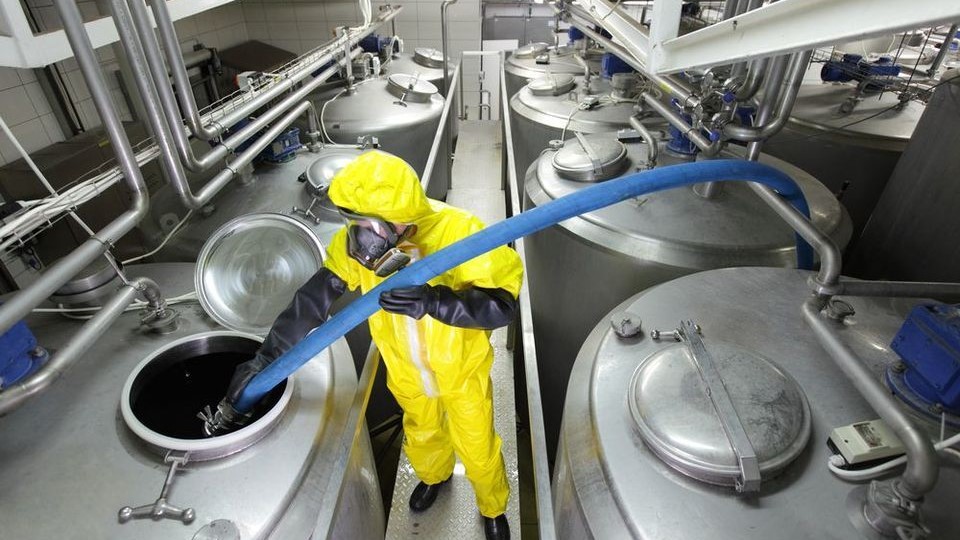
Basic Toxicology and Health Effects
Description:
Focuses on building or strengthening workplace risk management systems.
Learning Outcomes:
- Apply control-banding models
- Develop risk management strategies
- Evaluate existing control programs

Advanced Ventilation and Engineering Controls
Description:
Expands on ventilation design, troubleshooting, and system optimization.
Learning Outcomes:
- Diagnose complex ventilation issues
- Evaluate system performance
- Recommend engineering improvements

Hazardous Materials Management
Description:
Provides a higher-level understanding of chemical inventories, emergency planning, and compliance.
Learning Outcomes:
- Maintain a compliant chemical inventory
- Understand emergency response planning needs
- Apply regulatory requirements to workplace programs
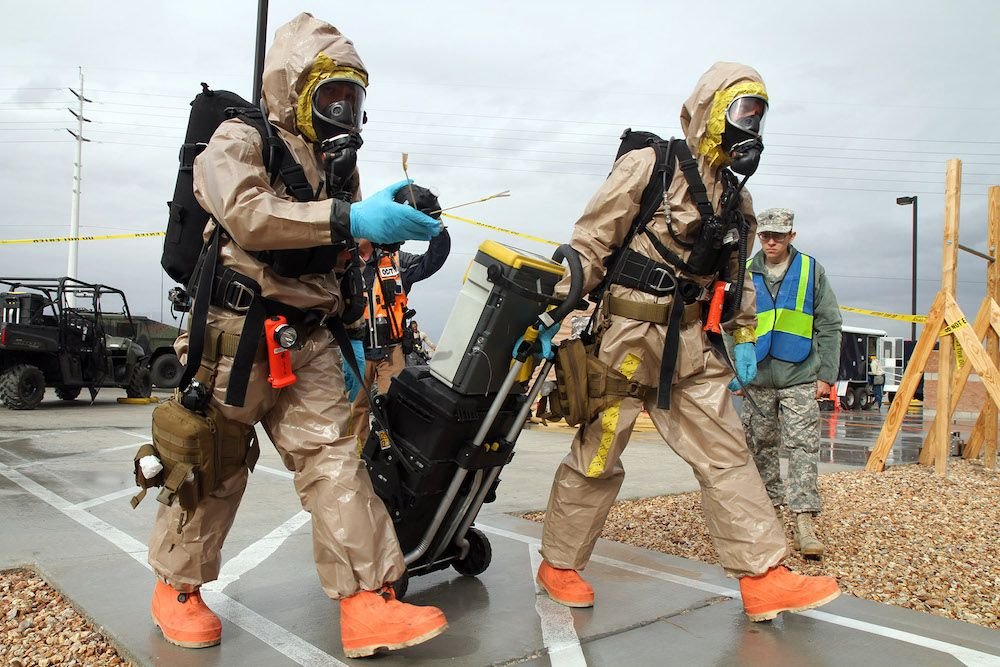
Biological Monitoring and Health Surveillance
Description:
Explains when biological monitoring is useful and how to interpret results./p>
Learning Outcomes:
- Understand the purpose of biological monitoring
- Interpret biological exposure indices
- Identify when health surveillance is appropriate